
Cook From Scratch, Cut the Trash
Today we dive into from-scratch recipes that slash packaging waste, turning pantry basics into delicious meals while sending fewer containers to the bin. Expect doable techniques, satisfying flavors, and creative swaps that outsmart single-use plastics, save money, and build confidence with every simmer, knead, ferment, and jar.

Build a Waste-Smart Kitchen Foundation
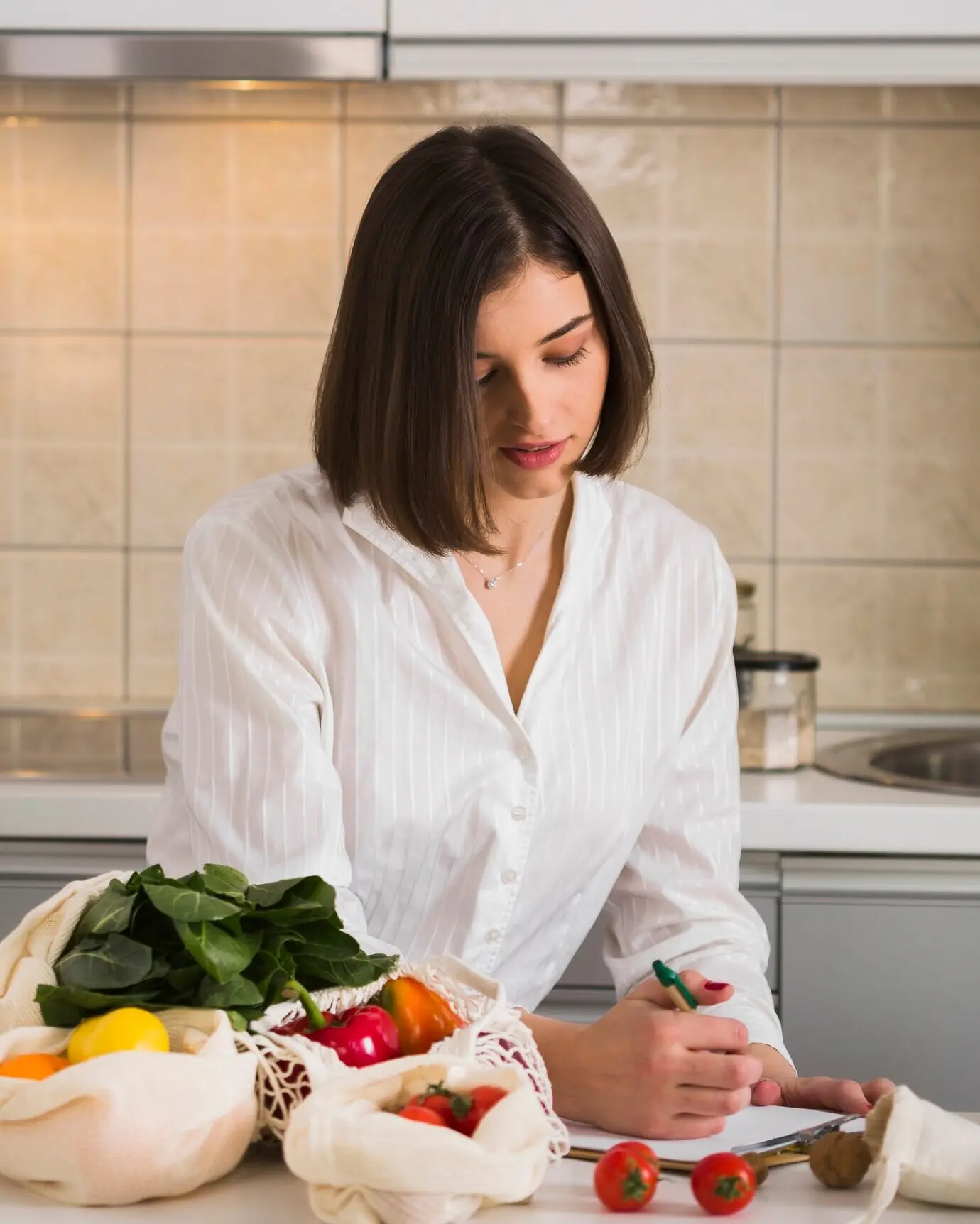
Small changes create big results when your kitchen favors reusables, bulk buying, and versatile basics. Organize shelves with clear jars, keep a running list for refills, and choose packaging-light produce. The goal is frictionless habits: ingredients visible, workflows simple, and tools trustworthy, so cooking becomes automatic, joyful, and dramatically lighter on your trash can every single week.

Glass Jars, Tins, and Labels That Actually Help
Match containers to ingredients instead of buying sets you will never use. Wide-mouth jars simplify scooping flour, rice, and beans; tins protect loose tea and spices from light. Reusable labels make refills effortless, keep dates visible, and nudge you to finish what you have before shopping again.
A Bulk Aisle Strategy That Avoids Hidden Plastics
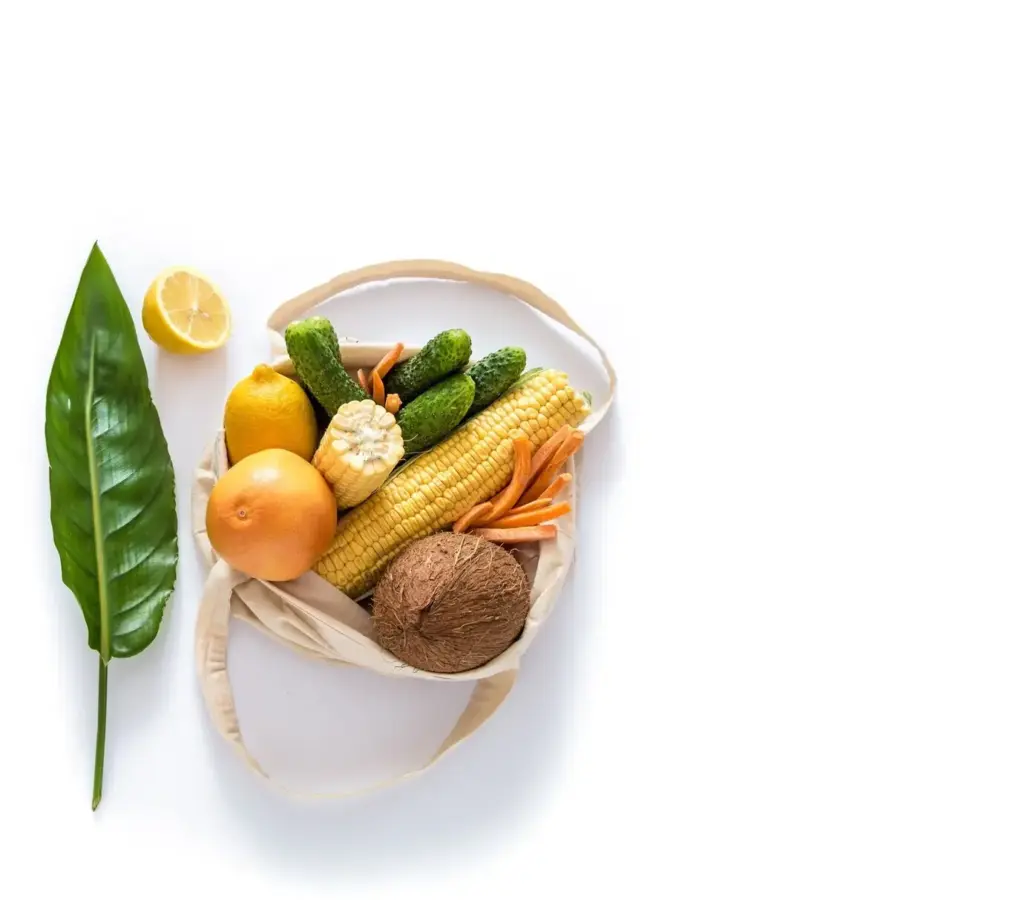
Bring lightweight produce bags and rigid jars pre-weighed with tare; photograph or note the bin codes to speed checkout. Choose staples with high turnover for freshness. Skip individually wrapped candies and sachets. Prioritize grains, legumes, nuts, dried fruit, and spices, then top up oils and vinegars at refill stations where available.
Homemade Staples That Replace Aisle After Aisle
Swapping packaged staples for homemade versions slashes plastic, reduces additives, and lets flavor shine. Start with quick wins: broth from scraps, yogurt without tubs, nut milk without cartons, and bread that needs only flour, water, and patience. Each jar you fill is a small victory that tastes amazing.
Five-Minute Nut Milk, No Cartons Required
Soak nuts overnight, blend with fresh water, and strain through a cloth you wash and reuse. Sweeten with dates or vanilla, or keep it plain for cooking. Pulp becomes cookies or granola clusters, turning what used to be packaging into wholesome treats and nearly complete resourcefulness.
Scrap-to-Golden Broth That Loves Your Freezer
Collect onion skins, carrot ends, celery tops, mushroom stems, and herb stalks in a freezer bag or jar. Simmer with peppercorns and bay leaves for an hour, strain, and store in reusable containers. You will skip cartons, save money, and start soups with deeper, comforting flavor.
Simple Condiments With Giant Payoffs
Whisk mustard from seeds and vinegar, blend quick mayo with aquafaba if you avoid eggs, and stir ketchup from tomato paste, dates, and spices. Each jar replaces multiple bottles, travels well to picnics, and turns leftovers into craveable lunches without landfill guilt or ingredient mysteries.
Root-to-Stem Cooking That Celebrates the Whole Ingredient
Waste shrinks when you treat peels, stems, cores, and crusts as ingredients, not scraps. Citrus zest perfumes salts; broccoli stalks become slaw; beet greens sauté like spinach. Once your eyes adjust, creativity snowballs, Sunday bins empty faster, and plates feel more generous without extra spending or packaging.
Citrus Peels Into Salts, Syrups, and Sparkling Shrubs
Dry zests for a low-waste finishing salt, candy peels for desserts, and steep rinds in vinegar for a fizzy shrub that livens seltzer. What once perfumed the landfill now brightens dinners, mocktails, and gifts, carrying sunshine without plastic rings, sticky labels, or anonymous additives.
Herb Stems as Aromatic MVPs
Bundle parsley stems, cilantro roots, and woody thyme with twine to infuse soups, beans, and sauces, then compost them proudly. Minced, they bring crunch to salads. Saved in oil, they become chimichurri. Your cutting board turns into a tiny, fragrant economy where nothing gets sidelined or discarded.

Ferment, Can, and Dehydrate to Stretch the Seasons
Preservation magnifies abundance while trimming packaging. Ferments bring probiotics and depth with only salt, water, and time. Small-batch canning captures peak produce in reusable jars. A dehydrator or low oven rescues tired fruit and herbs, shrinking volume, preventing waste, and stocking your pantry with bright, resilient flavors.
Plan, Batch, and Share: Time-Saving Rituals
Roast two sheet pans of vegetables, cook a pot of beans, simmer a versatile sauce, and bake granola. Portion into jars so colors tempt you from the fridge. With a plan posted, weeknights become creative assembly, not frantic cooking, and plastic-heavy convenience foods quietly lose their grip.
Date every jar and stack by urgency. Mix roasted roots with grains for hearty salads, blitz stray herbs into pesto, and fold beans into tacos or soups. This approach reduces decision fatigue, respects your effort, and keeps edible abundance from slipping into compost before shining at dinner.
Trade a loaf of bread for someone’s hot sauce, swap jam for sourdough starter, and return jars with notes. You save money, sample new flavors, and keep containers moving. Community creativity multiplies options, reduces packaging, and strengthens relationships that make everyday cooking warmer and far more resilient.
Measure Impact, Celebrate Wins, Keep the Conversation Going
Tracking progress sustains motivation. Note how many cartons, bottles, and wrappers you avoid each month, and photograph your refill setup for inspiration. Share results with family or neighbors. Every small improvement compounds, deepening skills, cutting costs, and proving that delicious food and lighter bins absolutely belong together.
All Rights Reserved.